
What to Expect When Renting a Local Storage Facility
Renting storage can be useful during a move, renovation, downsizing project, business transition, or simply when you need more room at home. The process is usually straightforward, but knowing what to expect before signing up can help you choose the right space, understand the facility's policies, and make move-in day easier.
A local storage facility may offer different unit sizes, access arrangements, security features, climate-controlled spaces, and protection plans. Those details can affect both convenience and cost, so it's worth comparing more than the monthly rental rate. For customers in Waseca, Minnesota, understanding these features ahead of time can make it easier to select storage that fits both the items being stored and how often they'll need to be accessed.
Expect to Choose the Right Unit Size
One of the first decisions is how much space you actually need. A unit that's too small can become difficult to organize, while paying for significantly more room than necessary may increase your monthly cost without adding much value. Before renting, consider what you plan to store, the approximate size of larger items, and whether you expect to add more belongings later.
The size of the self-storage industry shows how varied storage needs can be. According to CNHI, the U.S. self-storage industry contains more than 2.3 billion square feet of space, enough in total for every American to stand inside at the same time. That scale reflects how frequently people and businesses use storage for everything from household belongings to inventory and equipment.
A local storage facility with multiple unit sizes can make it easier to match the space to the job. GWS Storage & Container offers customizable storage options for both residential and commercial customers. Its team can also provide an over-the-phone estimate, which gives customers an opportunity to describe what they're storing and ask about available options before arriving.
Expect to Compare Standard and Climate-Controlled Storage
Not every item requires the same storage environment. General household goods, durable equipment, and other less sensitive belongings may be suitable for standard indoor storage. Other items can benefit from a more controlled environment, particularly when they may be affected by large changes in temperature or humidity.
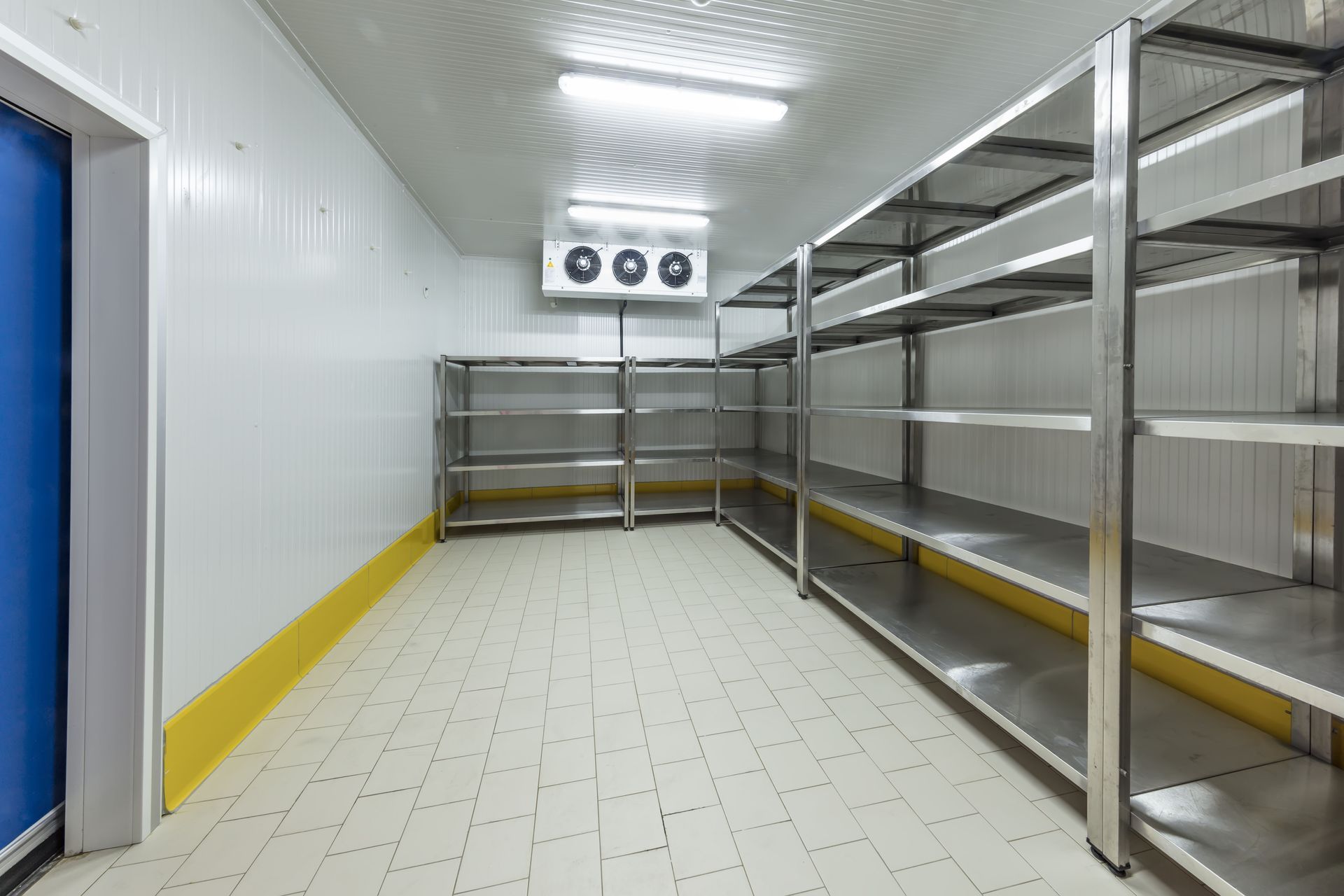
Climate-controlled storage is commonly considered for items such as electronics, wooden furniture, photographs, documents, artwork, collectibles, and other belongings that may be sensitive to environmental changes. A controlled environment can help reduce exposure to extreme heat, cold, and humidity, although customers should still pack and protect items appropriately.
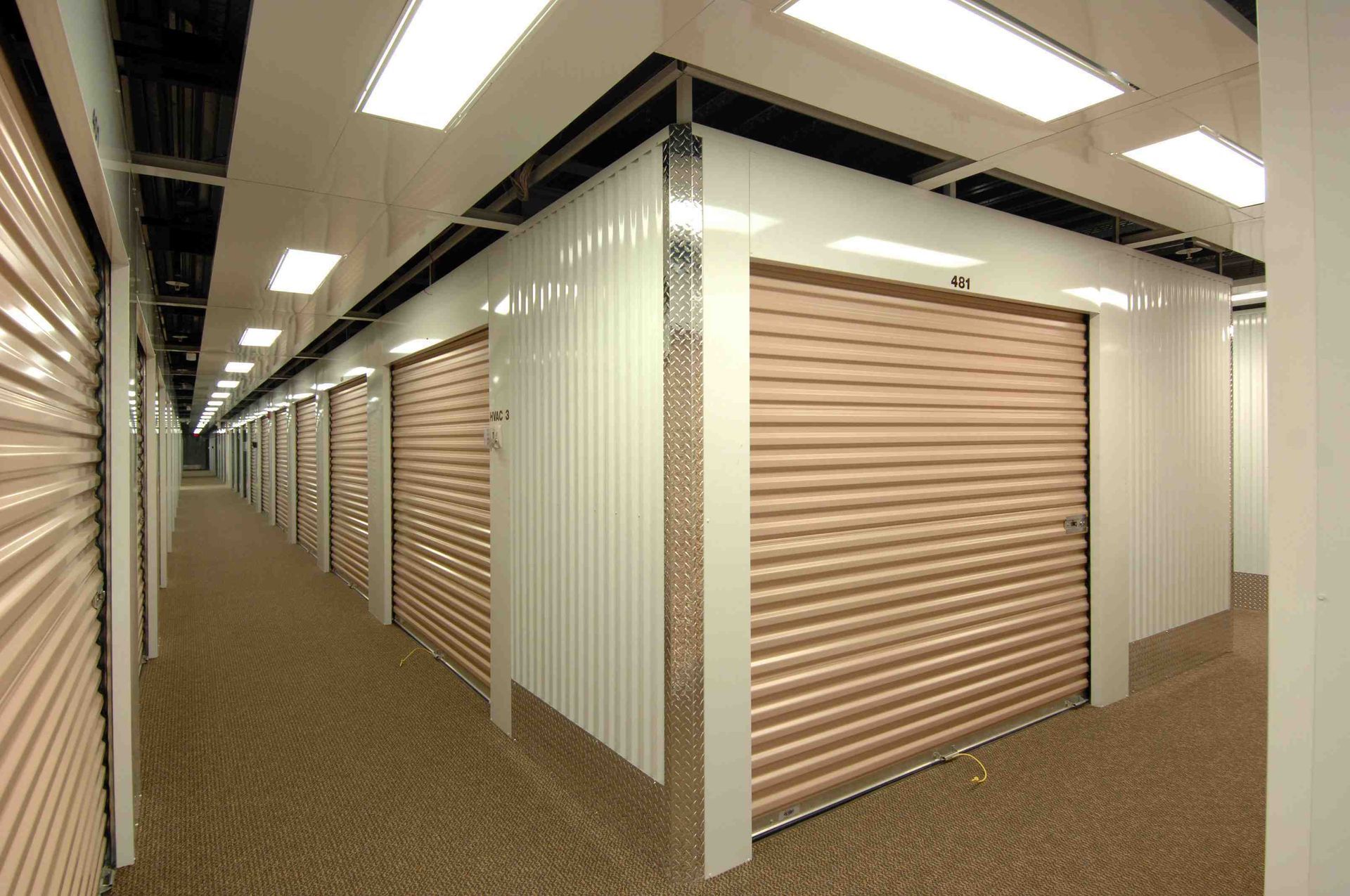
GWS Storage & Container offers climate-controlled units in Waseca. The facility also provides indoor loading and unloading, which can be convenient during Minnesota weather because customers don't have to move everything directly through rain, snow, or extreme temperatures while accessing the building.
When comparing options, ask what climate-controlled means at the specific facility and whether the available unit is appropriate for the items you intend to store. The staff can help explain the available spaces so you can make a more informed decision.
Expect to Review Access and Security Features
Access is an important consideration, especially if you expect to retrieve items regularly. Some renters may only visit a few times per year, while business customers may need to reach inventory or equipment much more often. Before renting, check when tenants can enter the property and whether those hours fit your schedule.
GWS Storage & Container provides 24-hour access to stored possessions. That flexibility can be useful for customers who work unusual hours, are coordinating a move, or need business materials outside standard office hours. The facility also offers same-day access after signup when space is available.
Security is another feature to review at a local storage facility. No storage provider can eliminate every possible risk, but controlled entry and monitoring can add important layers of protection. GWS Storage & Container uses video monitoring and keypad entry at its secure indoor facility.
Customers should also understand their own role in keeping a unit secure. Follow the facility's access procedures, keep entry information private, and make sure the unit is properly secured whenever you leave. If another person needs access, ask the facility how authorized access should be handled rather than casually sharing entry credentials.
Expect to Read the Rental Terms and Protection Options
Before completing a rental, take time to understand the agreement. The contract should explain the rental period, payment expectations, access policies, prohibited items, move-out requirements, and any other rules that apply to the unit. Asking questions before signing can prevent confusion later.
It's also important to understand how your belongings are protected. A storage facility's security measures and a renter's financial protection are separate issues. Homeowners or renters insurance may provide some coverage for stored property, but policies vary, so customers shouldn't assume their existing coverage automatically applies.
GWS Storage & Container offers a tenant protection plan that can add another layer of protection for stored belongings. Customers should review the plan details, limits, exclusions, and costs so they understand what is and isn't covered before enrolling.
Payment arrangements are another part of the rental process. GWS Storage & Container offers automatic payment options, which can make recurring rent easier to manage. The company also provides contactless sign-up, allowing customers to complete more of the rental process without an extended in-person appointment.
Expect to Prepare for an Organized Move-In
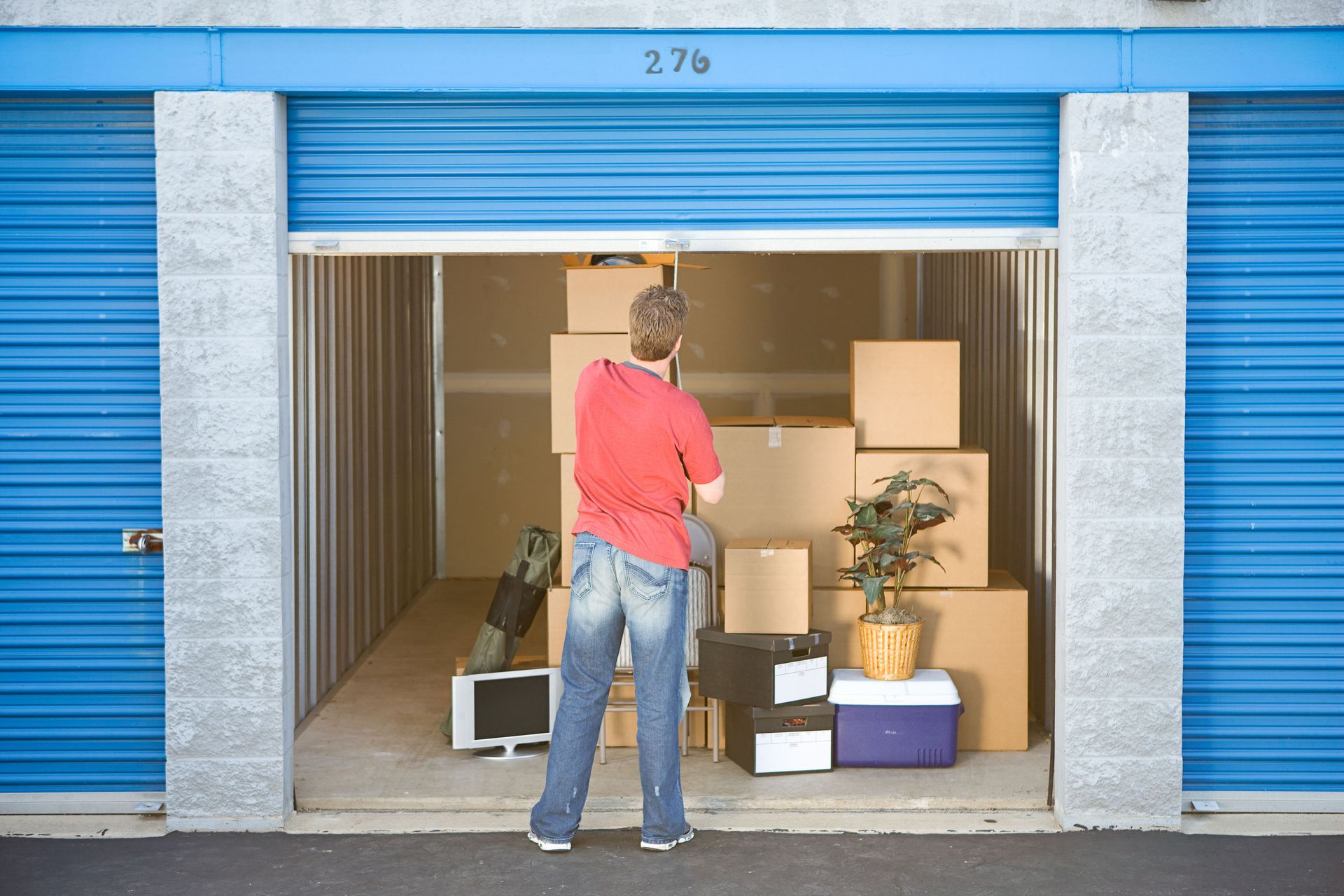
Once you've selected a unit, a little planning can make move-in easier. Group similar belongings together and label boxes clearly so you can identify their contents later. Place items you'll need more frequently where they can be reached without unloading the entire unit.
It can also help to think vertically. Stable, stackable boxes can use the height of the space more efficiently, while heavier containers generally belong lower in a stack. Leave enough room to move safely through the unit rather than packing everything so tightly that retrieving one box requires rearranging the entire space.
Customers storing furniture or delicate belongings should use appropriate covers and packing materials. Avoid assuming that a climate-controlled unit eliminates the need for basic protection. Proper packing, careful stacking, and an organized layout can help reduce accidental damage and make future visits easier.
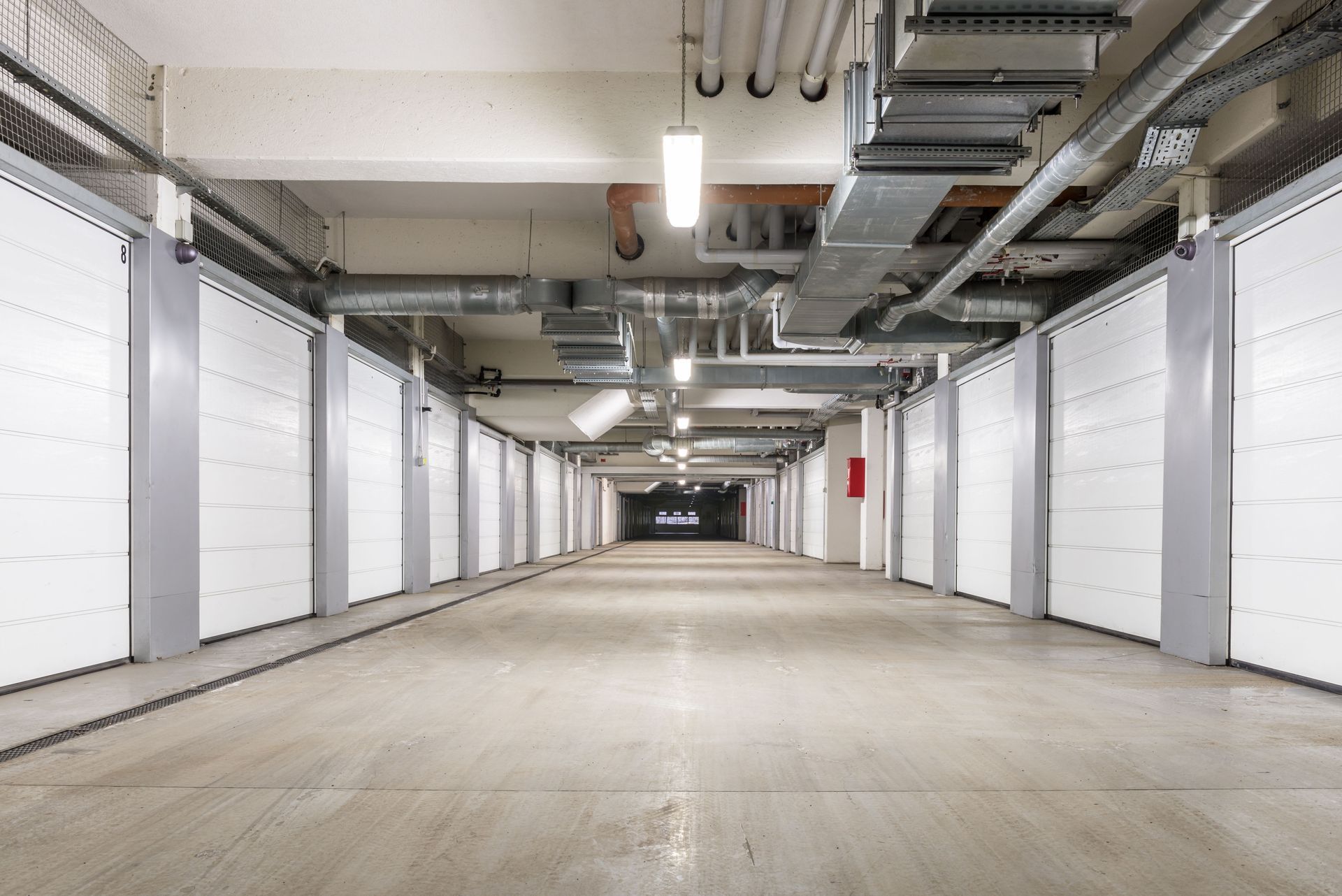
GWS Storage & Container's indoor facility includes loading-dock and forklift access, which can be especially useful for commercial customers or larger storage needs. If you have unusually heavy, oversized, or palletized items, discuss them with the facility beforehand so you know what access and handling options are available.
Expect Your Storage Needs to Change Over Time
Storage needs aren't always permanent or predictable. A unit that works during a move may become too large once some belongings are retrieved. A business may need additional space as inventory grows. Seasonal belongings may rotate in and out throughout the year.
That's why flexibility can be valuable when choosing a local storage facility. GWS Storage & Container offers short-term and long-term rentals as well as customizable spaces. Its website also states that customers may be able to move to a larger or smaller unit when their needs change, depending on availability.
Keeping a basic inventory can make long-term storage easier to manage. Note what you place in the unit and update the list when items are added or removed. Periodic visits also give you an opportunity to confirm that the layout still works and that the items remain organized.
If your needs change substantially, contact the facility rather than trying to make an unsuitable unit work indefinitely. Staff may be able to recommend a different size or storage option that better matches the amount and type of property you need to store.
Expect a Convenient Local Rental Process
Renting storage should begin with understanding your space requirements, access needs, security preferences, and whether climate control or tenant protection makes sense for your belongings. Comparing these features before signing can help you avoid choosing a unit based on price alone.
If you need a local storage facility in Waseca, contact GWS Storage & Container. The company offers secure indoor storage, climate-controlled units, customizable spaces, 24-hour access, tenant protection options, and contactless sign-up for residential and commercial customers. Call for an over-the-phone estimate and help selecting a storage space that fits your needs.
Share On: