

Safeguard Your Electronics and Artwork with Temperature Controlled Storage Units
April 23, 2026
Temperature controlled storage units play a critical role in protecting items that cannot withstand environmental fluctuations. From sensitive electronics to valuable artwork, maintaining consistent temperature and humidity levels helps prevent damage that can occur over time. Understanding how these specialized units function and why they are necessary allows individuals and businesses to make informed storage decisions. By choosing the right solution, you can safeguard both the performance and long-term value of your belongings.
What are Temperature Controlled Units?
Understanding Temperature Controlled Storage
What are Temperature Controlled Units?
Temperature controlled storage units are specialized facilities designed to maintain a consistent environment. These units are crucial for storing items sensitive to temperature fluctuations and humidity. They use advanced HVAC systems to manage internal conditions year-round, ensuring temperature and humidity levels stay within a safe range. This type of storage is vital for products like electronics and artwork that may degrade if exposed to extreme conditions. Temperature controlled units are more than just a convenience; they are an essential resource for preserving the integrity of sensitive items.
How They Differ from Standard Storage Units
Unlike standard storage units, temperature controlled units provide a stable environment unaffected by external weather changes. Regular storage units expose items to potential harm from excessive heat, cold, or moisture. Temperature controlled units, on the other hand, actively manage the internal climate to prevent such damage. This management includes not only maintaining temperature but also controlling humidity, which is crucial in preventing mold and mildew. Therefore, when comparing the two, temperature controlled storage offers unmatched protection for sensitive items.
Why Electronics Need Temperature Control
The Vulnerability of Electronics to Temperature Fluctuations
Electronics are highly sensitive to changes in temperature. Fluctuations can lead to thermal expansion and contraction, which can cause mechanical failures. Such processes may damage internal components, rendering devices unusable over time. Temperature controlled storage prevents these fluctuations, offering a stable environment for electronics. As a result, the risk of malfunctioning is greatly mitigated, ensuring devices operate efficiently throughout their lifespan.
Preventing Moisture and Humidity Damage
Moisture and humidity pose significant threats to electronic devices. They can lead to short-circuiting, corrosion of parts, and mold growth. Temperature controlled units also manage humidity levels, preventing moisture accumulation that could otherwise cause significant damage. By keeping devices dry, these storage solutions extend the functional life of electronics. This preservation is essential for both consumer electronics and industrial components that require consistent operation.
How Heat Affects Electronic Components
Excessive heat can be detrimental to electronic components, causing them to degrade faster. Semiconductors, for instance, can experience decreased performance or even permanent damage when exposed to high temperatures. Temperature controlled storage units maintain a moderate climate, thus reducing the strain on electronic components. In doing so, it ensures that devices do not overheat, thereby preserving their optimal functioning. Over time, this careful management helps maintain consistent device performance.
Preserving Artwork with Proper Climate Control
The Impact of Temperature on Different Art Mediums
Artworks are highly susceptible to damage from temperature fluctuations. Mediums such as oil paint, pastels, and wood can warp, fade, or crack if exposed to extremes in temperature. Temperature-controlled storage units provide a stable climate that is essential for preserving different art forms. By doing so, they maintain the integrity and appearance of artwork, which is crucial for both preservation and aesthetic appreciation. According to LinkedIn Pulse (2025), the climate-controlled self-storage market reached $14.5 billion in 2024 and is projected to grow to $28.9 billion by 2033, reflecting an 8.5% compound annual growth rate, highlighting the increasing awareness and demand for these protective storage solutions.
Preventing Mold and Mildew in Artwork
Mold and mildew thrive in environments with high humidity, posing serious risks to artworks. They can cause irreparable damage, such as staining and structural degradation. Temperature controlled storage units combat these threats by maintaining an optimal humidity level, hindering mold growth. This protective measure is particularly important for items like canvases and paper-based art. Consequently, artists and collectors frequently utilize such facilities to safeguard their investments.
Maintaining Color Integrity in Paintings
Temperature and humidity play a crucial role in the preservation of color integrity in paintings. Excessive heat can cause fading, while high humidity may lead to discoloration. Storage units with climate control ensure that the artwork's colors remain as vibrant as the day they were created. This maintenance is essential in preserving both the financial and artistic value of paintings. It allows art lovers to appreciate and enjoy their collections for years to come.
Features of Quality Temperature Controlled Storage Facilities
Security Measures and Monitoring
Quality temperature controlled storage facilities are equipped with robust security measures. This includes video surveillance, access control, and alarm systems to protect valuable items. Continuous monitoring ensures that both environmental and security conditions are constantly managed. These precautions prevent unauthorized access and alert staff to any potential issues immediately. Consequently, these facilities provide peace of mind for those storing high-value electronics and artwork.
Regulation of Temperature and Humidity
Regulating temperature and humidity is the cornerstone of temperature controlled storage facilities. These units are equipped with advanced HVAC systems and sensors to continually manage these conditions. Regular maintenance of equipment ensures that storage environments remain stable and function as expected. This regulation prevents damage caused by temperature extremes and high humidity, safeguarding valuable contents. It underscores the reliability of climate-controlled storage solutions in preserving sensitive items.
Accessibility and Convenience
An essential feature of temperature controlled facilities is their accessibility. These units are designed to offer convenient access to clients while maintaining security and control. Facilities often provide extended operating hours, or even 24/7 access, depending on customer needs. Modern technology is also employed to simplify entry and monitoring, enhancing the client experience. Ultimately, these measures ensure that valuable items are both secure and accessible when needed.
Choosing the Right Storage Unit for Your Needs
Evaluating Storage Requirements
Before selecting temperature controlled storage units, it’s crucial to evaluate specific storage needs. This involves understanding the nature and value of items that require storage. Different items, such as electronics and artwork, may demand varying environmental requirements. As a result, determining whether a temperature controlled unit is necessary involves weighing these factors. Such evaluations ensure the selection of a storage solution that offers the required level of protection for stored valuables.
Determining Duration and Frequency of Access
The duration and frequency of access to stored items significantly influence the choice of a storage facility. Long-term storage might benefit from fixed climate conditions, whereas short-term needs fluctuate with seasonality. Assessing how often items need to be accessed helps in determining the most suitable unit. Some facilities offer flexible access options, essential for businesses or individuals with dynamic storage needs. Careful consideration of these factors ensures that the chosen solution aligns with both budget and practical needs.
Comparing Costs and Packages
Cost is a significant factor in selecting a storage unit. Facilities offer varying packages based on size, climate control, and duration of rental. Comparing these different offerings helps in identifying a unit that fits within budget constraints while meeting storage needs. It is important to remember that while climate-controlled units may have higher upfront costs, they provide benefits that might prevent costly damage in the future. Proper analysis of packages ensures that users get value for their investment.
Selecting the right temperature controlled storage units
ultimately comes down to understanding your specific needs and the level of protection required. By considering factors such as item sensitivity, storage duration, and facility features, you can ensure your valuables remain in optimal condition. While the upfront investment may be higher than standard storage, the added protection can prevent costly damage and loss. In the long run, temperature controlled storage offers a reliable, practical solution for preserving items that matter most.
Protect your valuable electronics and artwork with reliable temperature-controlled solutions from GWS Storage & Container. Contact us today!
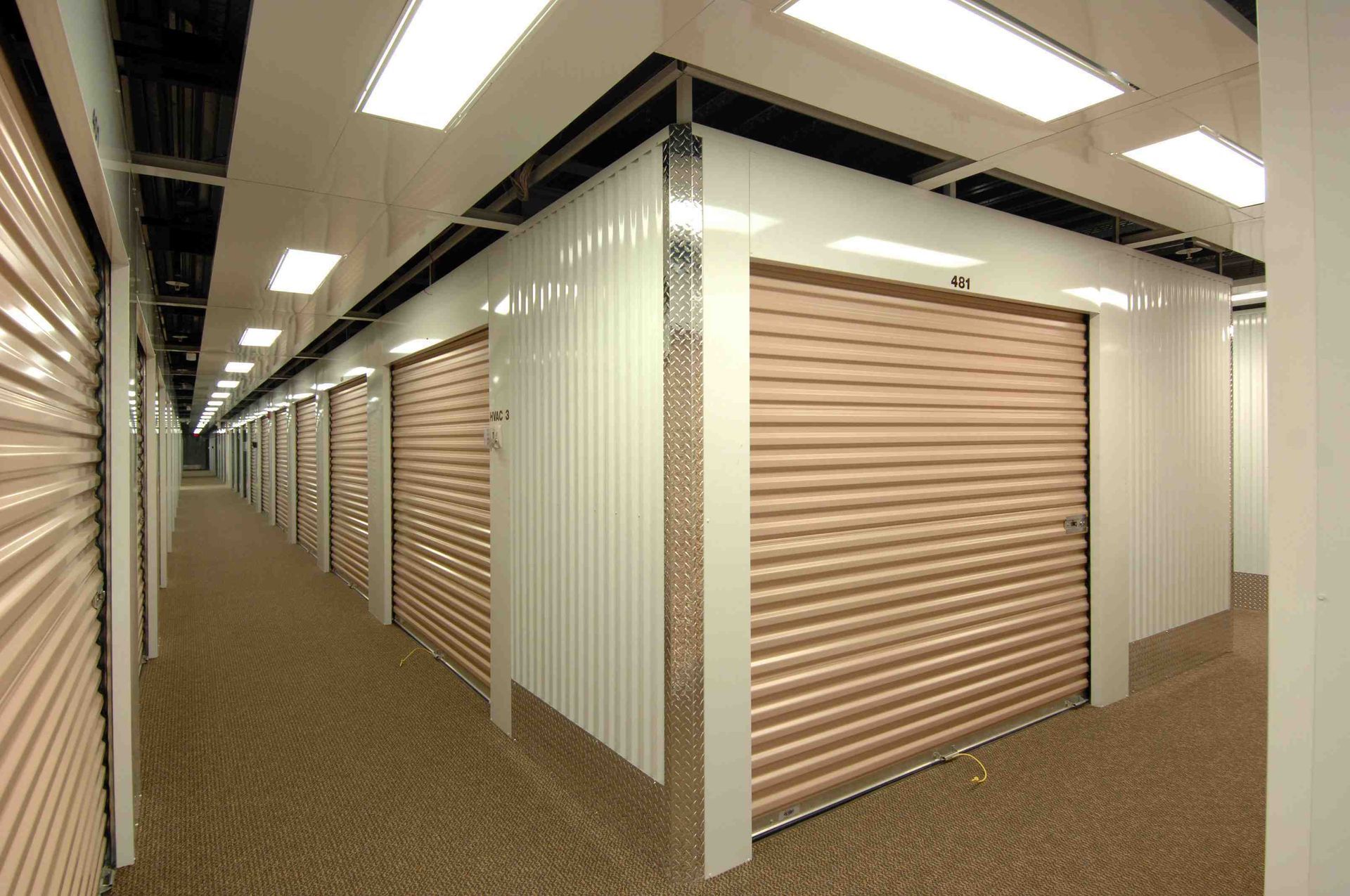
Seasonal living should feel enjoyable, not overwhelming. Here's how climate controlled self storage units can help you manage space. Read more!
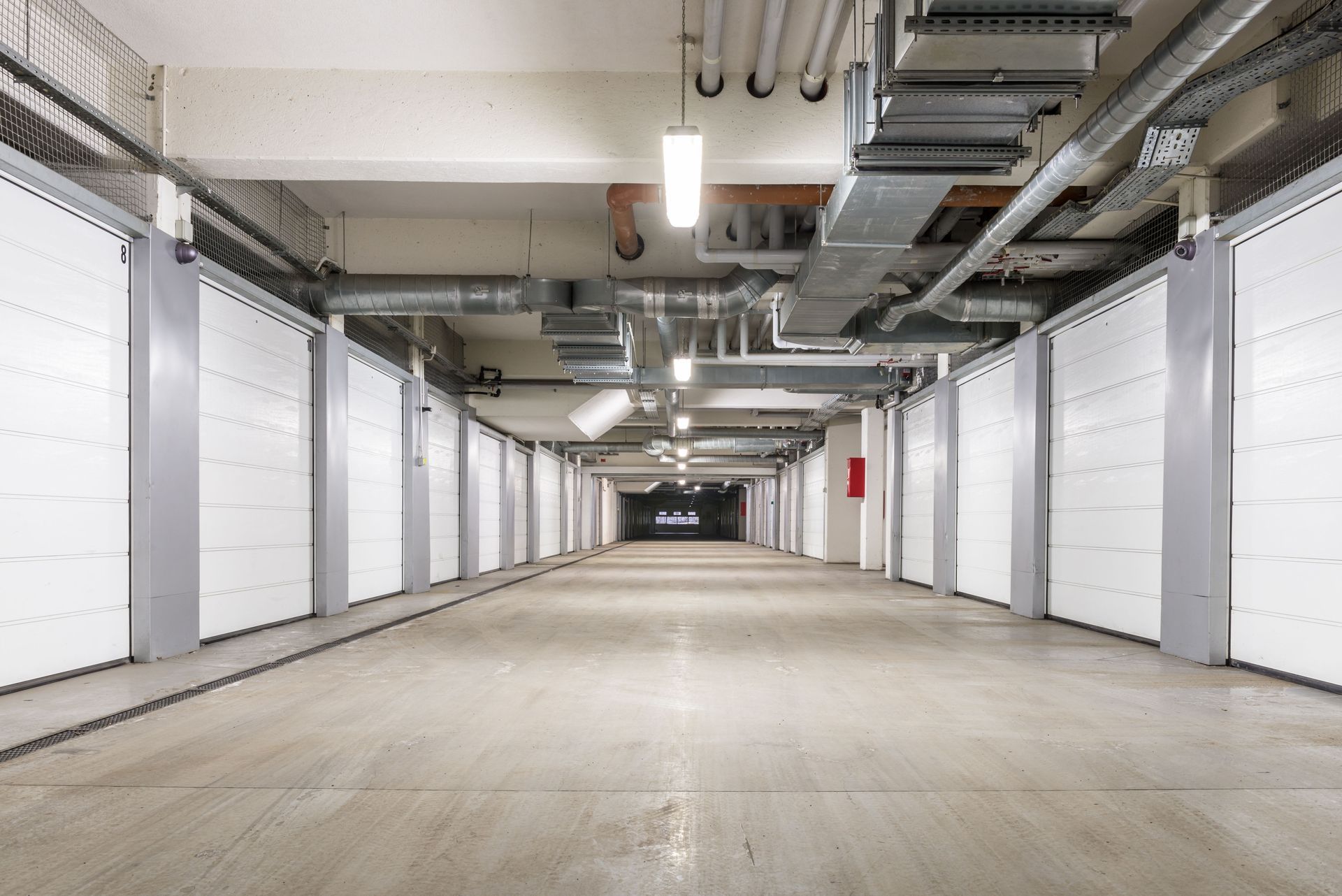
Do you utilize self storage facilities? Keep reading to discover the top four times these professional services can come to the rescue.
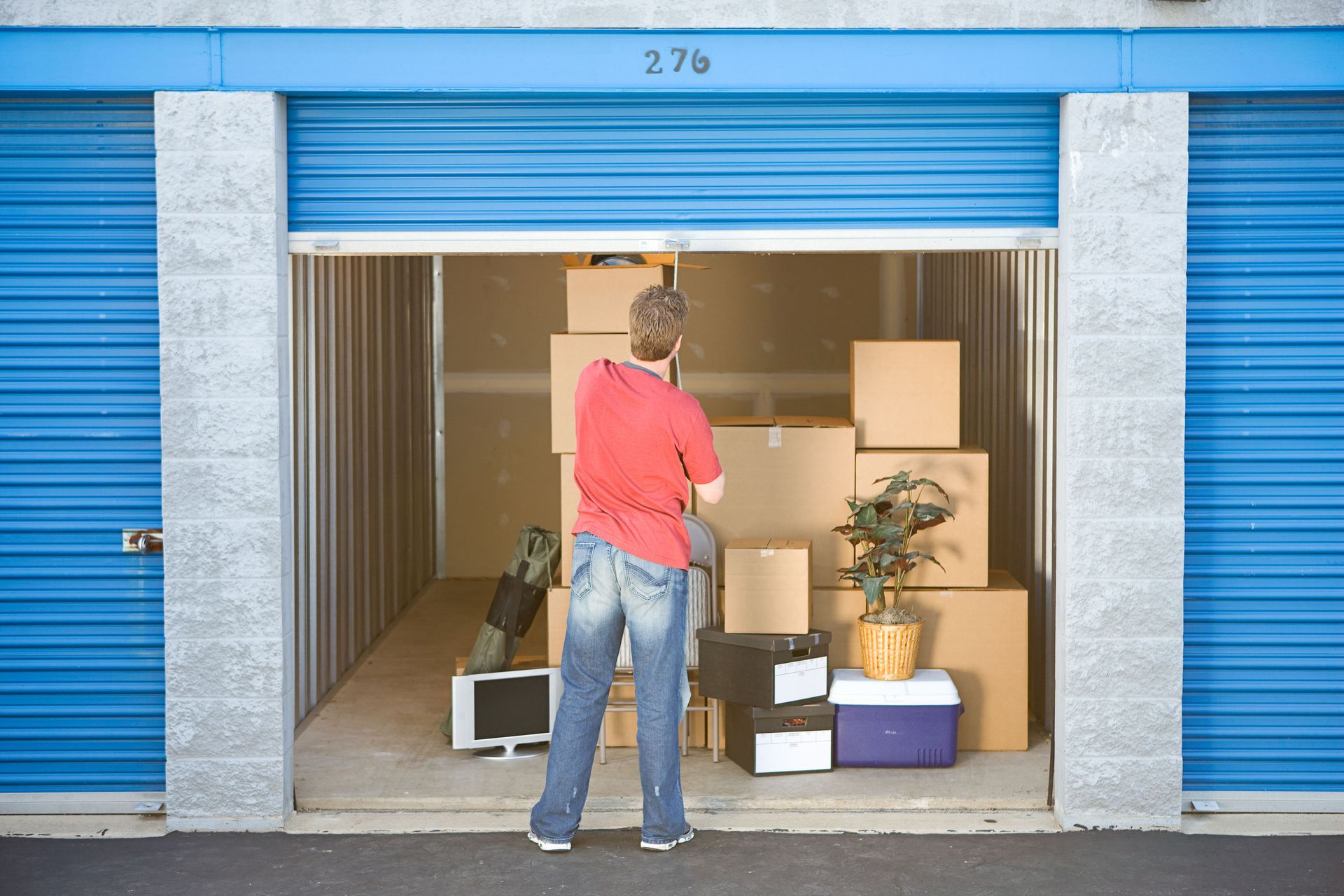
The self storage industry has emerged as a robust and appealing investment opportunity. Here we'll explore why investing in self storage can be a smart choice.
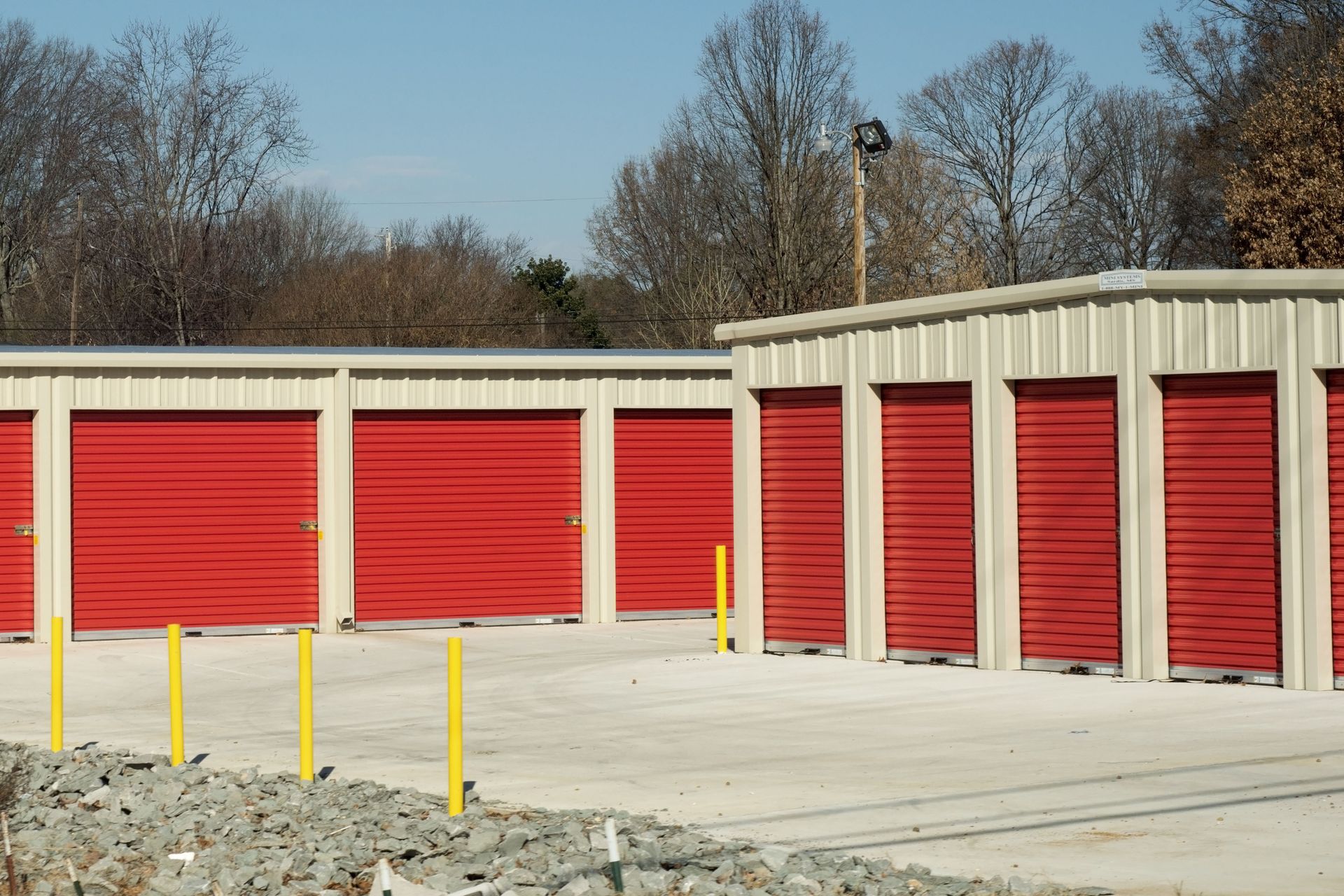
Choosing the right self storage facility allows for peace of mind that your belongings are safe. Here's how to choose the right facility for your needs.
Share On: